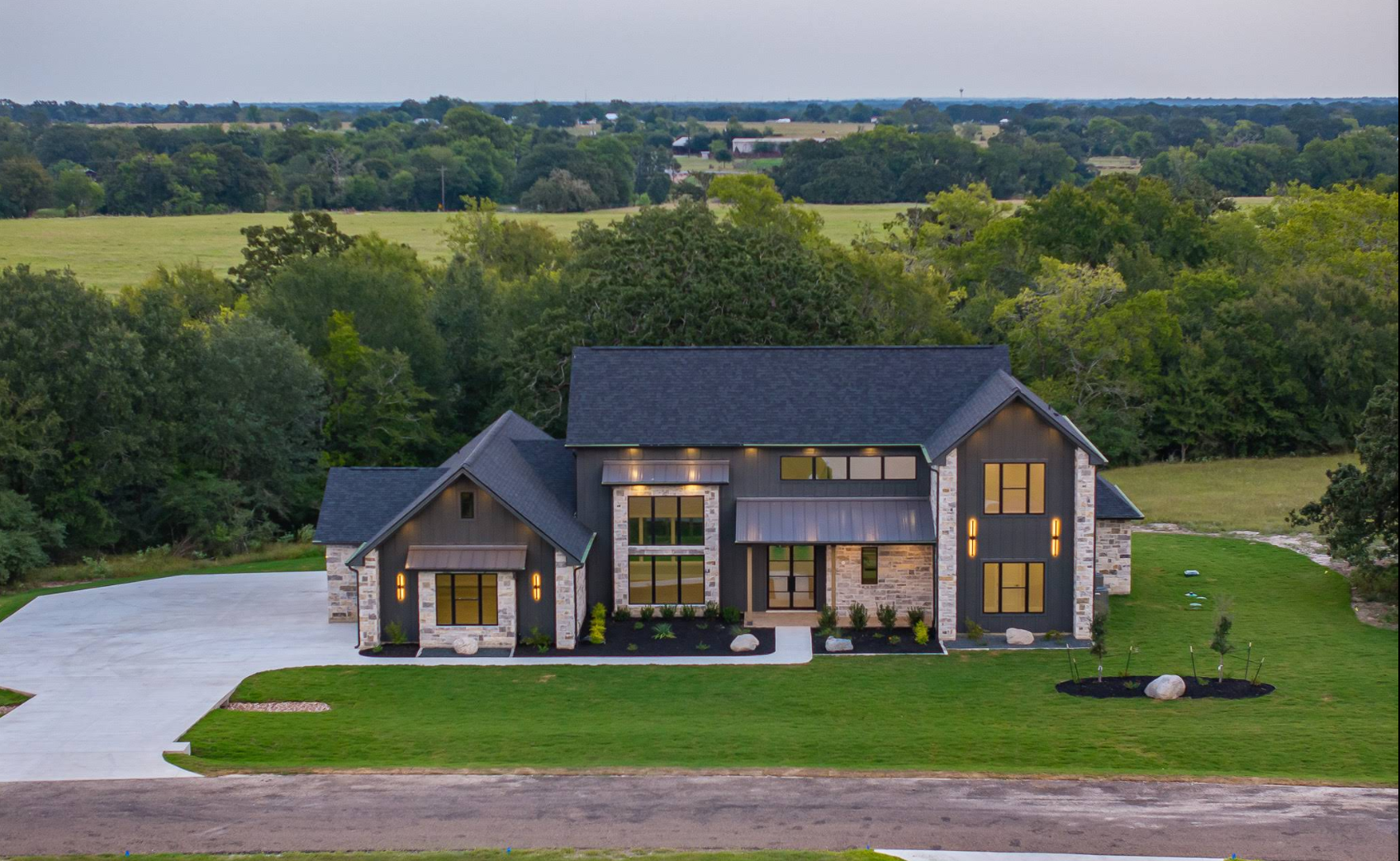
The Green Blueprint: Designing Sustainable Gardens for Future Generations Jun 25, 2026
Creating a sustainable garden involves thoughtful planning and a commitment to using resources wisely. It begins with selecting native plants that thrive in the local climate. Native plants are naturally adapted to your environment and require less water and maintenance compared to exotic species. They also provide essential habitats for local wildlife, supporting biodiversity and enhancing the ecosystem. By choosing plants that are well-suited to the Brazos Valley area, you not only cultivate a vibrant garden but also reduce your water consumption significantly.
Incorporating organic gardening practices is another vital step toward sustainability. This involves utilizing organic fertilizers and natural pest control methods instead of relying on synthetic chemicals that can harm the environment. Composting is an excellent way to enrich your soil naturally, turning kitchen waste and garden scraps into a nutrient-rich soil amendment. By employing organic practices, you can cultivate healthier plants while minimizing your environmental footprint.
Water conservation is a critical component of sustainable garden design. Implementing efficient irrigation systems like drip irrigation or soaker hoses can drastically reduce water usage compared to traditional sprinkler systems. Additionally, collecting rainwater through barrels provides an eco-friendly irrigation solution. These systems ensure your garden receives the moisture it needs without depleting valuable water resources. Grouping plants with similar watering requirements is another practical approach to maximizing water efficiency.
Mulching is an often-overlooked technique that offers several benefits for sustainable gardens. By spreading a layer of organic mulch over your soil, you can reduce water evaporation, suppress weed growth, and improve soil health. Mulch acts as a natural insulator, keeping the soil temperature stable and retaining moisture, thus reducing the need for frequent watering. Moreover, as it breaks down, mulch adds organic matter to the soil, enhancing its fertility over time.
Integrating hardscaping elements smartly can also contribute to a sustainable garden. Paths and patios made from permeable materials allow rainwater to soak through, reducing runoff and erosion. Consider using reclaimed or recycled materials for these structures, which not only lessen your impact on the environment but can also add unique character to your outdoor space. Hardscaping coupled with strategic plant placement can maximize your garden's beauty while ensuring functionality and sustainability.
A well-thought-out sustainable garden also considers energy conservation. The strategic placement of trees and shrubs can provide natural cooling through shade, which can significantly reduce the need for artificial cooling systems in your home. Not only does this lower your energy bills, but it also lessens your overall carbon footprint.
Ultimately, creating a sustainable garden is about making choices that benefit both your immediate environment and the planet at large. Brazos Valley Greenscapes is dedicated to guiding you through this rewarding process, ensuring your garden is both beautiful and environmentally conscious. By implementing sustainable practices in your landscaping, you are truly laying the groundwork for a greener future. Invest in a sustainable garden today and leave a lasting legacy for generations to come.
/filters:no_upscale()/filters:format(webp)/media/a0165e97-df07-4a15-bc0a-19c56c03a31a.webp)
/filters:no_upscale()/filters:format(webp)/media/7516112c-fa05-4cc7-a2ae-8236c450980a.jpeg)